Newsletter Subscribe
Enter your email address below and subscribe to our newsletter

 ByJohn A
Buying or selling a used smartphone involves a certain level of uncertainty. The device may look clean, function normally, and appear to be in good condition, but its history is not always immediately visible. For both buyers and sellers, having a reliable way to verify important device information can make a transaction more transparent.
IMEI verification and blacklist detection provide one way to add that transparency. An International Mobile Equipment Identity (IMEI) is a unique identifier associated with a mobile device. Checking this identifier can help determine whether a device has been reported or flagged in relevant databases.
For individuals, retailers, refurbishers, and other businesses involved in used-device transactions, an IMEI blacklist lookup can become an important part of a broader verification process. When both parties have access to clearer device information, transactions can become easier to evaluate and manage.
Trust is particularly important when the buyer and seller cannot independently confirm a device’s history. A used smartphone may have passed through several owners before reaching its current seller, making transparency an important part of the transaction.
Verification helps replace assumptions with information. Rather than relying entirely on a seller’s description or a buyer’s visual inspection, both parties can use available device data to support their decisions.
Buyers want to know that the device they are considering matches the description provided by the seller. While an IMEI check cannot reveal every possible issue, it can provide useful information about the device’s status in relevant databases.
A buyer can use the verification process to:
This additional information can make the buying process more transparent. It also gives buyers an opportunity to address concerns before completing the transaction instead of discovering potential issues afterward.
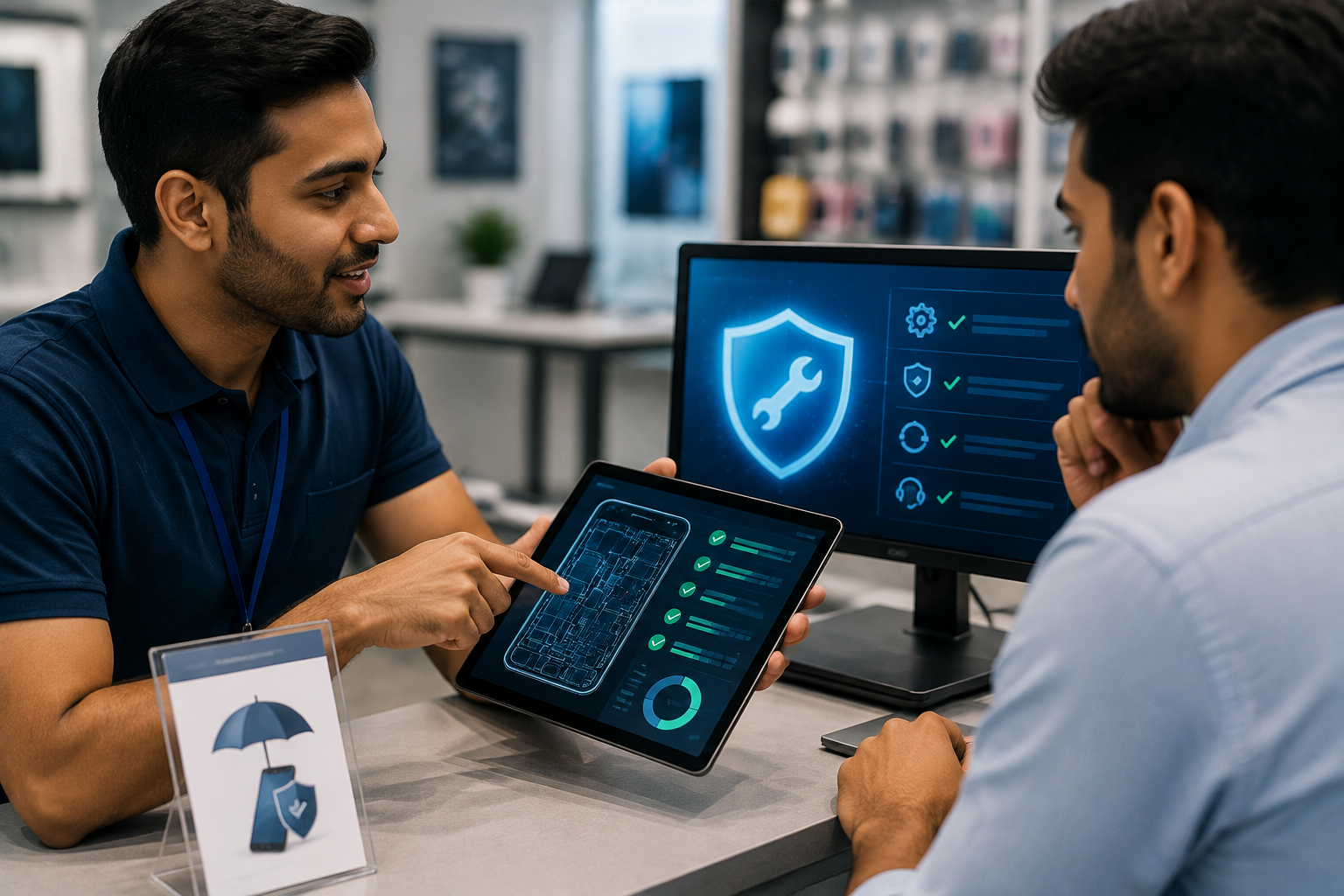
Verification is not only beneficial to buyers. Sellers can use device checks as part of a transparent sales process, particularly when they regularly handle used smartphones.
Providing relevant verification information can demonstrate that a seller is willing to address reasonable questions about a device’s status. This can be especially valuable for businesses that want to establish consistent procedures for preparing devices for resale.
CellDe supports device verification workflows that can help businesses incorporate these checks into their processes. Making verification routine can show customers that device information is being treated as an important part of the transaction.
A used-device transaction can involve several pieces of information, including the model, serial details, condition, ownership documentation, and network-related status. IMEI verification and blacklist detection add another layer to this information.
The process works best when it is treated as part of a broader due-diligence workflow. Instead of relying on a single result, businesses can combine identifier checks with physical inspections and documentation reviews.
The IMEI identifies a mobile device rather than the individual using it. Depending on the device, there may be multiple IMEI numbers, particularly on phones designed to support multiple SIMs.
Recording the correct identifier is therefore an important first step. Businesses should ensure that the IMEI being checked corresponds to the physical device being evaluated.
A simple verification process can begin with:
Accurate identification helps ensure that the verification result applies to the actual handset involved in the transaction.
A device can be flagged in relevant databases for reasons that may affect its use on certain networks or in particular markets. A blacklist status can therefore be an important consideration when buying or reselling a used phone.
An IMEI blacklist lookup helps identify whether the device’s identifier appears in applicable blacklist data. However, results can depend on database coverage, carrier policies, and regional circumstances.
For this reason, an unexpected result should prompt further investigation rather than an immediate assumption. Sellers may be able to provide additional documentation or context that helps explain the result.
For businesses handling multiple devices, verification should ideally be consistent rather than performed only when a customer asks for it. A defined workflow makes it easier to apply the same checks to each device.
Consistency can also make internal processes easier to manage. Staff members can follow a standard procedure when receiving, evaluating, refurbishing, or preparing devices for resale.
Checking a device before creating its sales listing can help businesses identify potential concerns early. This gives the seller time to investigate discrepancies before the phone is presented to a customer.
A practical workflow could include:
This approach creates a record of the checks performed before the device enters the sales process. It can also make communication with prospective buyers more straightforward.
Documentation can be useful when businesses manage a large number of used devices. Recording the IMEI, verification date, device condition, and relevant findings creates a clearer history for each handset.
Businesses can organise records according to their existing inventory systems. The exact process may vary depending on the size of the operation, but the goal is to make information easy to retrieve when needed.
CellDe can help businesses incorporate device verification into structured workflows. Maintaining organised verification records can support greater consistency across purchasing, refurbishment, and resale operations.
Trust works best when it is mutual. Buyers need confidence that sellers are providing accurate information, while sellers benefit when customers understand that the device has been evaluated through a defined process.
IMEI verification can contribute to this relationship by creating an additional point of reference. It does not eliminate every risk associated with buying used technology, but it can make an important part of the device assessment more transparent.
Questions about a used device are easier to address when both parties are working with identifiable information. Instead of vague discussions about whether a phone is “legitimate” or “safe to use,” buyers can ask specific questions about the device identifier and verification result.
Sellers can improve the conversation by explaining what checks were performed and what information was available. Clear communication can reduce misunderstandings and help both parties determine whether the transaction is appropriate.
This is particularly useful for online transactions, where buyers may have limited opportunities to inspect a device in person.
One of the biggest advantages of checking device information before a sale is the opportunity to identify concerns while the transaction can still be reconsidered. A buyer who discovers an unexpected blacklist result before payment has more options than someone who discovers it after completing the purchase.
Similarly, sellers can identify discrepancies before listing a device. This allows them to investigate records, correct inaccurate information, or decide whether the device is suitable for resale.
An IMEI blacklist lookup is therefore most valuable when performed at the right stage: before the transaction is finalised.
Although IMEI verification is useful, it should not be viewed as a complete inspection of a used smartphone. A device’s network-related status is only one part of its overall condition and history.
A stronger transaction process combines multiple checks. This gives buyers and sellers a broader understanding of the device and helps ensure that no single verification method is treated as a guarantee.
Physical inspection can identify issues that an IMEI check cannot. Buyers and sellers should examine the screen, body, charging port, cameras, buttons, speakers, and other relevant components.
Documentation can provide additional context about the device. Depending on the transaction, useful information may include purchase records, repair documentation, warranty details, or other available records.
A comprehensive evaluation may therefore involve:
Combining these steps creates a more complete assessment before the device changes hands.
Businesses that regularly buy or sell used devices can benefit from creating defined verification standards. Every device can be evaluated using the same general process, reducing the chance that important checks are skipped.
Standards may cover identifier verification, condition grading, documentation, testing, and record keeping. The process can then be adapted as business requirements change.
CellDe provides technology that can support organisations looking to make device verification a regular part of their operations. A consistent process can help businesses approach used-device transactions with greater clarity and organisation.
Trust is an important part of every used-device transaction, and reliable information can make that trust easier to establish. IMEI verification and blacklist detection provide buyers and sellers with an additional way to evaluate a device before completing a transaction.
An IMEI blacklist lookup can help identify relevant blacklist information, while comparing device identifiers, inspecting physical condition, testing functionality, and reviewing documentation can provide a more complete picture. For businesses, making these checks part of a standard workflow can also improve consistency across device purchasing and resale operations.
Ultimately, verification does not replace careful judgement, but it can make the transaction process more transparent and informed. By incorporating practical device checks into their workflows, businesses can create a stronger foundation for used-device transactions. CellDe can support this approach by helping organisations integrate device verification into a more structured and reliable process.